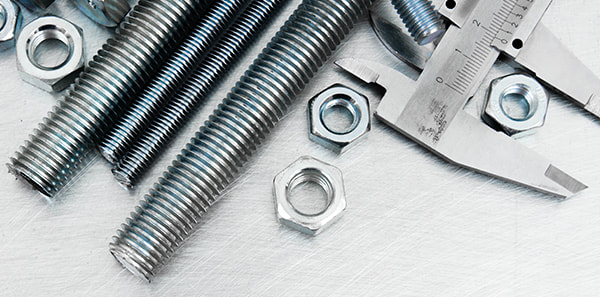

When a structural engineer specifies anchor bolts for a steel column base plate on a reinforced concrete foundation, the governing specification is usually ASTM F1554. This standard covers straight and bent, headed and headless steel anchor bolts intended to anchor structural supports to concrete. F1554 defines three strength grades: Grade 36, Grade 55, and Grade 105. The practical difference between these grades affects both the safety margin and the installed cost.
The most important procurement decision is selecting the grade before the order is placed. A Grade 36 anchor bolt with a 36 ksi yield strength may be sufficient for a lightly loaded equipment anchor, while a Grade 105 anchor with a 105 ksi yield strength is required for heavy tension connections in tall steel frames. Rework after concrete placement is expensive, so the grade selection must be correct on the first pass.
Core conclusion: Select Grade 36 for lightly loaded anchors where weldability and ductility matter. Use Grade 55 for standard structural anchoring tasks. Specify Grade 105 only where tension loads are high and the connection has adequate ductility. Verify the grade marking and the mill certificate before shipment.
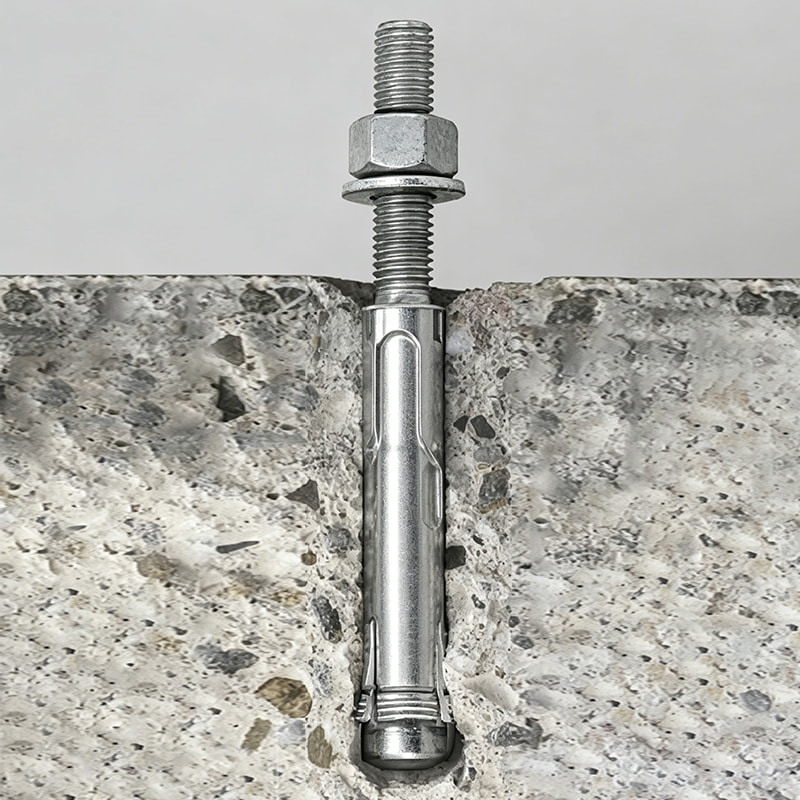 ASTM F1554 Carbon Steel Hot-Dip Galvanized Anchor Bolt This anchor bolt meets ASTM F1554 specifications for structural anchoring. Available in grades 36, 55, and 105, it suits various load requirements, with hot-dip galvanizing for corrosion resistance in concrete embedment applications. View Product →
 ASTM F1554 defines the chemical, mechanical, and dimensional requirements for anchor bolts. The specification applies to straight and bent configurations, and both headed and headless anchor bolts. It also covers the accompanying nuts and washers that are compatible with each grade.
The grade classification in F1554 is based on the minimum yield strength. The standard also specifies tensile strength, elongation, and reduction of area values for each grade. These properties determine how the anchor bolt behaves under load, including how much deformation it can absorb before failure.
Minimum yield: 36 ksi (248 MPa)
Material: Low carbon steel (A36 or equivalent)
Typical use: Lightly loaded anchors, equipment base plates, temporary structures
Advantage: Excellent weldability and high ductility with 23% minimum elongation
Minimum yield: 55 ksi (379 MPa)
Material: Medium carbon or alloy steel
Typical use: General structural anchoring, column base plates, industrial framing
Advantage: Best balance of strength and formability with 21% minimum elongation
Minimum yield: 105 ksi (724 MPa)
Material: Alloy steel (AISI 4140 or 4142), quenched and tempered
Typical use: High-tension connections, seismic retrofit, large-scale structures
Advantage: Highest strength-to-weight ratio with 15% minimum elongation
The table below compares the key mechanical properties of the three F1554 grades. The values are specified in ASTM F1554 and are mandatory for compliance.
Grade 105 has the highest strength but the lowest elongation. In seismic design, ductility is as important as strength. The supplementary requirement S1 (Charpy impact testing) can be specified when toughness under dynamic loading is critical.
At the same nominal diameter, the axial load capacity of F1554 anchor bolts changes dramatically with grade. The chart below shows the approximate allowable axial load for a 1 in. diameter anchor bolt, calculated using the minimum yield strength and a conservative safety factor of 0.60 for steel design.
The elastic capacity varies by 2.9 times between Grade 36 and Grade 105 at the same diameter. However, ductility drops from 23% elongation in Grade 36 to 15% in Grade 105. For applications in seismic zones or where anchor bolts are expected to yield, the higher-grade anchor must be paired with a design that accommodates its lower ductility. The bolt's embedment depth and edge distance also influence the actual failure mode.
ASTM F1554 anchor bolts are used across multiple construction sectors. The distribution below shows where the specification is most commonly applied in structural engineering practice.
35% Building and industrial steel construction
25% Bridge and highway structures
15% Stadium and large-span roof structures
15% Equipment and machinery anchorages
10% Concrete foundation repair and retrofit
The industrial segment is the largest single user because F1554 anchor bolts are specified for column base plates, equipment foundations, and pipe rack supports in process plants. Bridge applications follow closely, where high-tension Grade 105 anchors are used for bearing connections and seismic restraint systems.
Selecting the correct grade is a step-by-step process that starts with the design load and ends with the surface treatment specification. The following steps are recommended for procurement teams and structural engineers.
Calculate the factored tensile, shear, and moment loads from the structural analysis. The design load determines the required cross-sectional area and grade.
Check the concrete embedding depth, edge distance, and anchor spacing. These factors determine the pullout or breakout capacity of the anchor bolt.
Compare the applied load with the allowable capacity. Use Grade 36 for lighter duty, Grade 55 for most structural work, and Grade 105 for heavy tension or seismic conditions.
For exterior exposure, hot-dip galvanizing per ASTM A153 is preferred. For indoor or controlled environments, zinc plating or black oxide may be adequate.
Confirm that the grade designation is stamped on the anchor bolt and request the mill test certificate to verify chemical and mechanical properties.
Review the installation method, including embedment depth, nut torque, and the use of proper washers to prevent bearing failure on concrete.
The long-term performance of ASTM F1554 anchor bolts depends on proper corrosion protection and correct installation. Procurement teams should understand the compliance requirements to avoid premature failure and quality disputes.
For projects requiring governed quality assurance, reference the installation and testing requirements for high-strength bolts to align the anchor bolt specification with the overall structural fastening strategy.
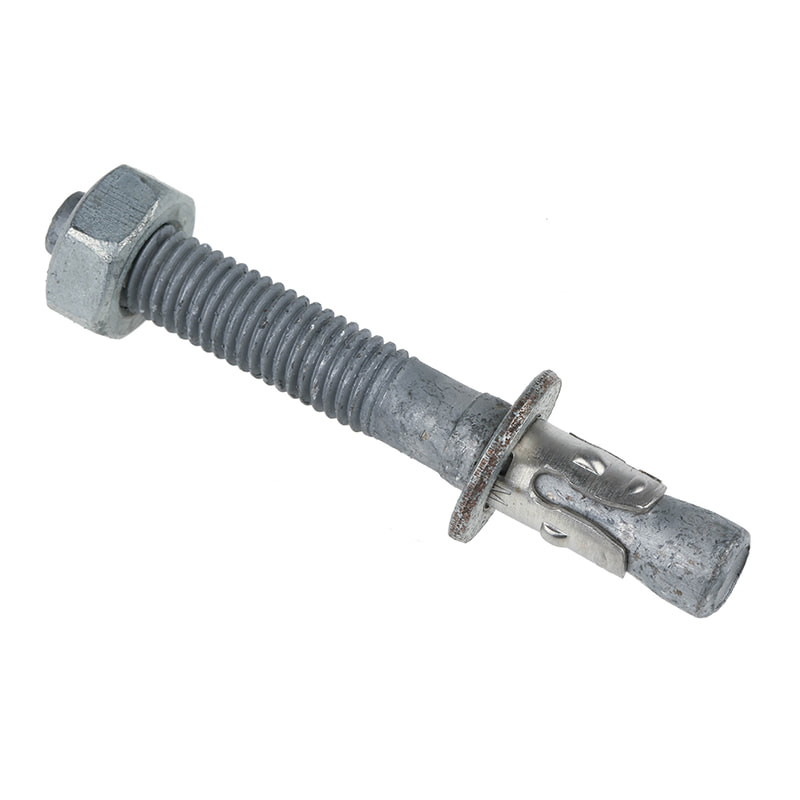 ASTM F1554 Kotviaca skrutka z uhlíkovej ocele žiarovo pozinkovaná
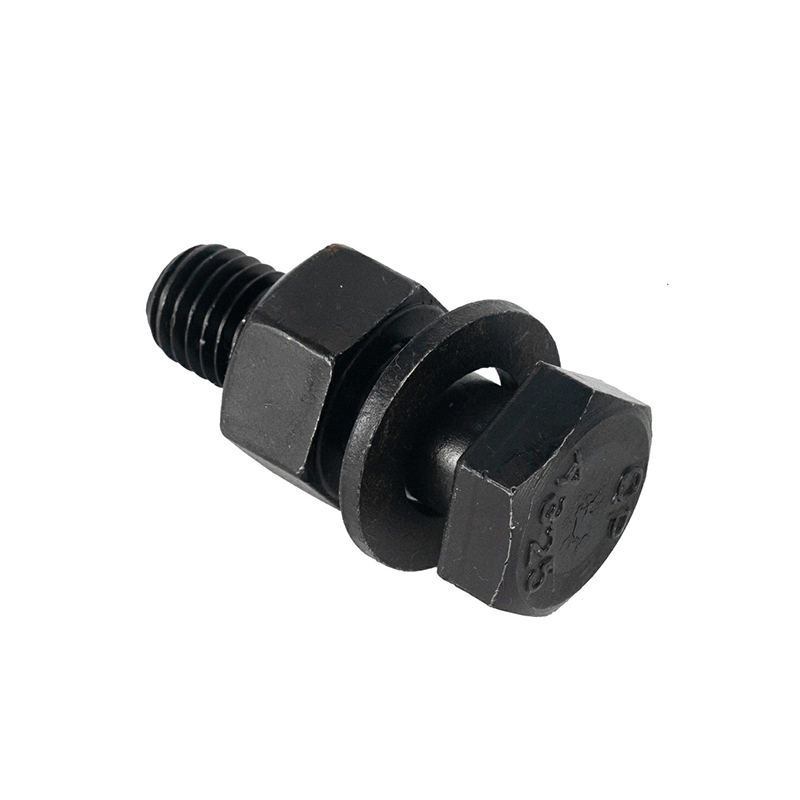 ASTM F1852 A325 Ťažká šesťhranná skrutka z obyčajnej uhlíkovej ocele
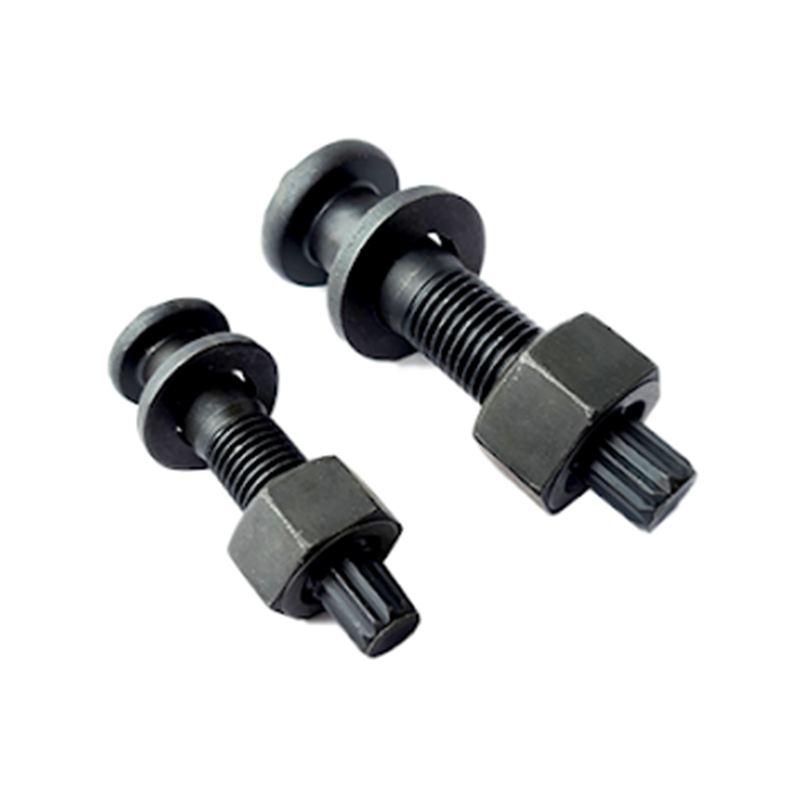 ASTM F2280 A490 krútiaci moment šmyková skrutka žiarovo pozinkovaná
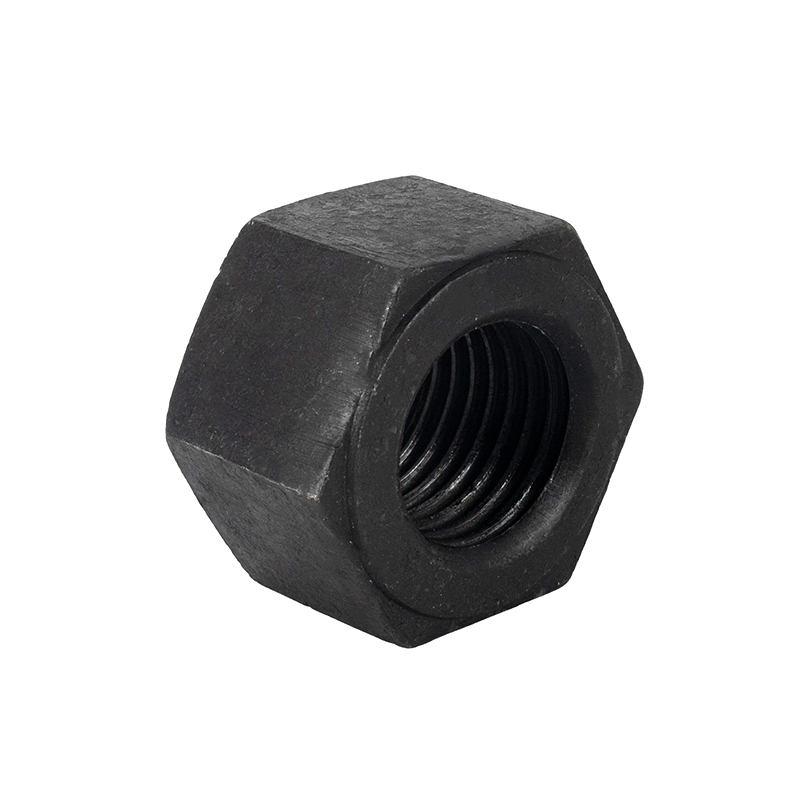 ASTM A194 B7 Čierne ťažké šesťhranné matice
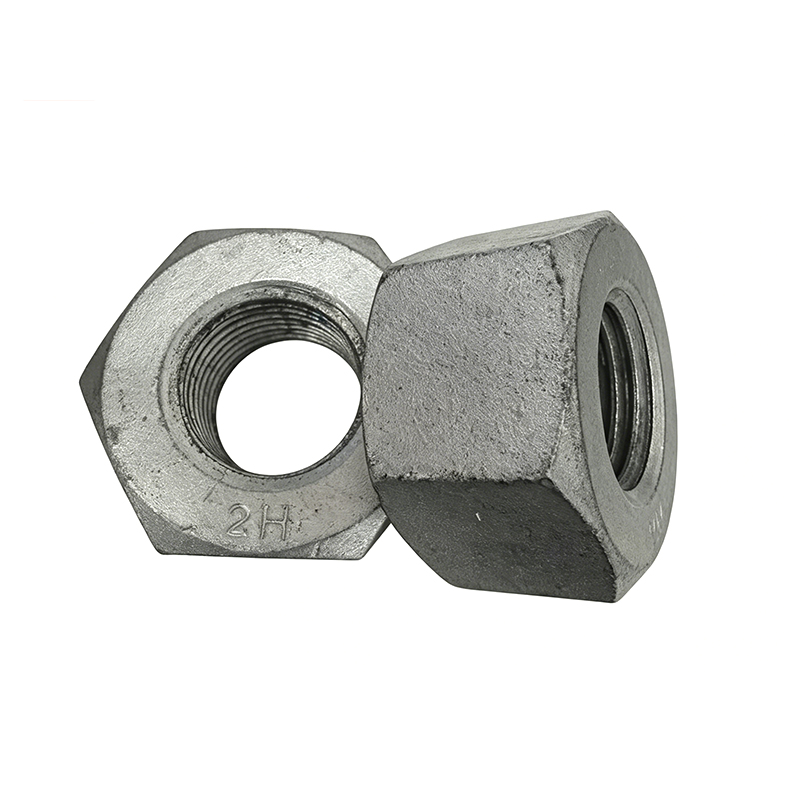 ASTM A194 B7 Čierne ťažké šesťhranné matice
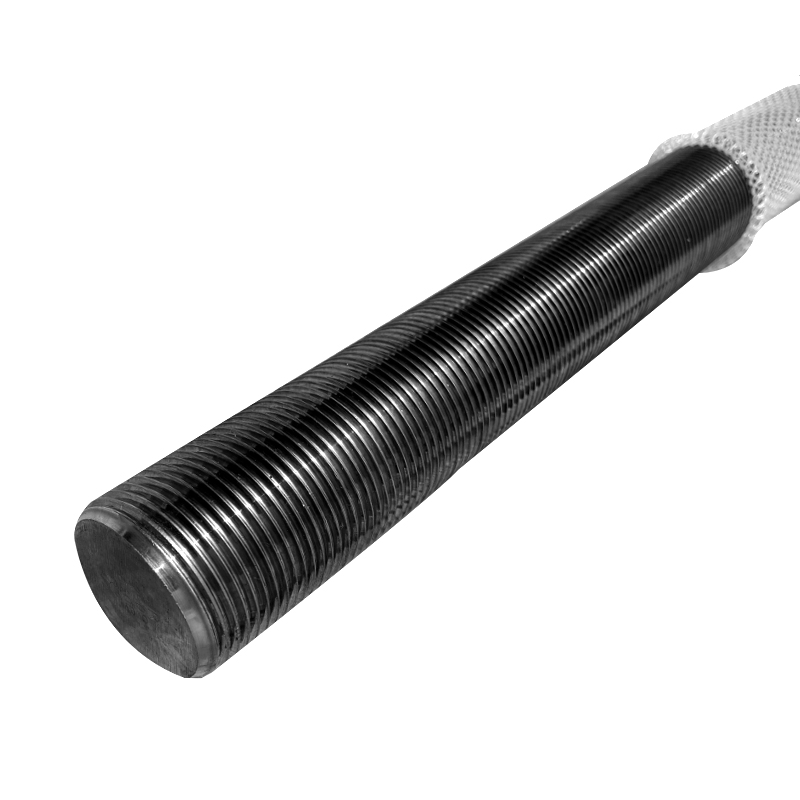 M27*300 PTFE modrá / Dacromet Coated ASTM A320 L7 Plne závitové tyče
 Kontaktné informácie
 Adresa